

Al Fakher's Place in Shisha Culture Today
What role does Al Fakher play in modern shisha culture?
Al Fakher functions as a shared reference point in shisha culture - the name people recognize on a lounge menu, in a friend's bowl, or as a flavor reference, rather than simply a label or a brand. Founded in 1999, the company says its products reach more than 100 countries, which is why Al Fakher flavors turn up in Cairo, Berlin, and Chicago. Reach gets Al Fakher in the moment; repetition is why it stays part of the ritual.
How did shisha become a social tradition across the globe?
Shisha became a social tradition because the pipe was always built for a group rather than an individual. Historical accounts trace its origins to 16th-century India, with early pipes assembled from coconut shells and bamboo before the ritual traveled through Persia, Turkey, Egypt and Pakistan, and later into Western Europe and the United States. This journey and adoption was cultural rather than commercial. A habit carried by migration, trade and hospitality.
What made it stick was the format. A hookah is a single or multi-stemmed instrument, as the Wikipedia entry on hookah describes, and its pace is slow by design: a session lasts long enough for a conversation to actually happen. In many households, offering a pipe to a guest signaled respect and welcome, much like tea or coffee did.
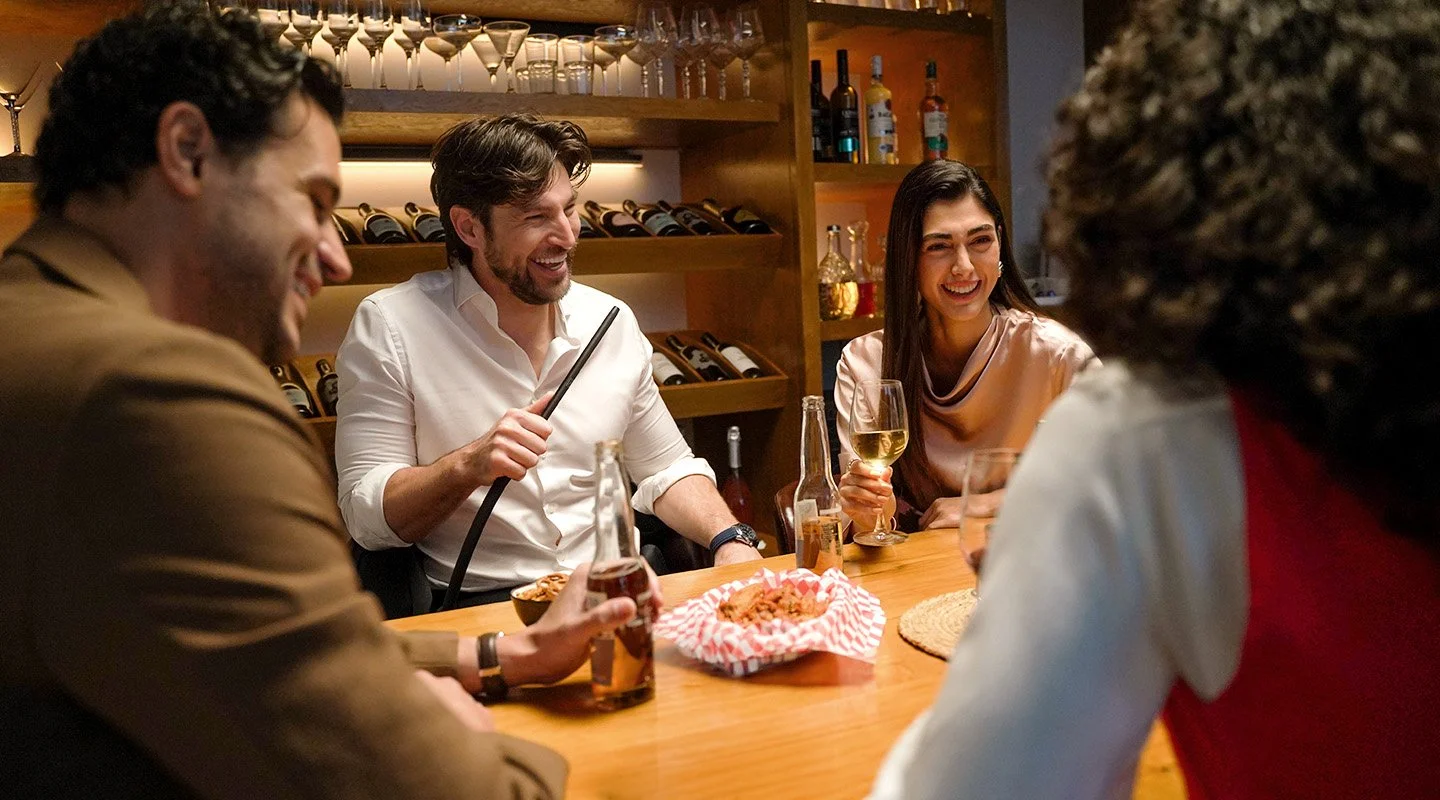
This logic still holds in lounges, family gatherings and living-room sessions. Someone packs the bowl, someone manages the coals, and the rest of the group settles in. The ritual of preparation carries as much social weight as the session itself.
The equipment explains how a session works; community explains how it has flourished over four centuries and several continents.
Why does Al Fakher feel familiar in lounges and home sessions?
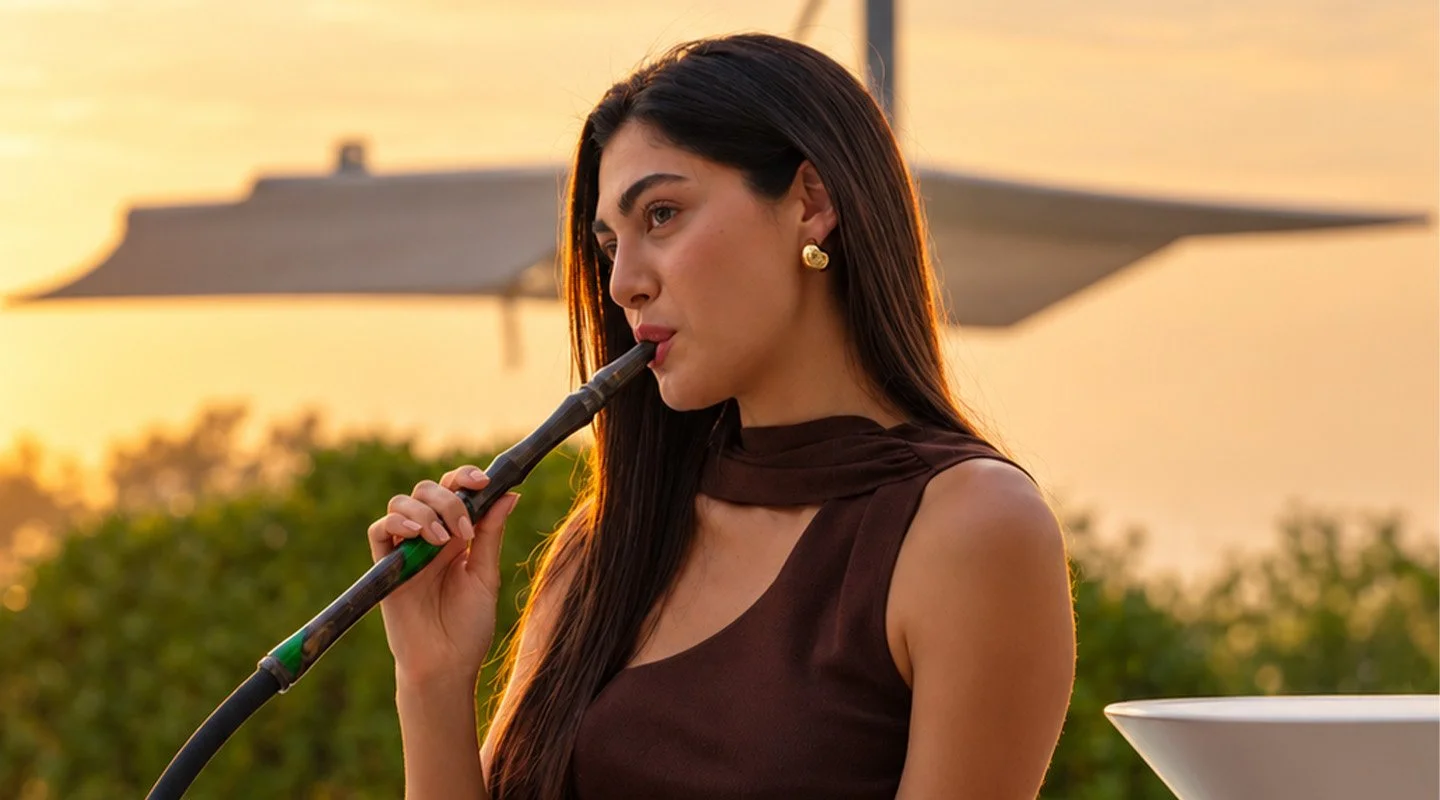
Al Fakher earns familiarity by showing up consistently, session after session, wherever people happen to be. A flavor anchoring a lounge order in one city turns up on a shop shelf or a relative's evening bowl somewhere else entirely, so nobody has to reintroduce the brand each time.
This consistency does real work in group settings. When three or four people are sharing one bowl, nobody wants to gamble on an unknown flavor half the table dislikes. A recognized name functions as a default: a reliable starting point for getting the session going without a debate, which matters more when people gather occasionally.
That logic carries over to price and access too: a flavor, which costs about what it always has, on a shelf it never leaves, is easy to keep choosing without much thought, which is why retailer roundups of the brand's most-recommended blends consistently open with the original staples before moving on to newer releases.
The flavors carry most of the recognition. A short list of names, Two Apples, Mint, Grape with Mint, carries almost as much weight as the brand name itself: for a casual consumer who isn't working through a catalog, those familiar names eliminates a decision.
Which Al Fakher flavors connect most closely to classic shisha culture?

Two Apples is the clearest cultural reference point in the lineup. The anise-leaning apple profile that most adults picture when they think of a traditional shisha session. Al Fakher's own guide to its most requested flavors treats Two Apples as the benchmark for classic shisha culture, and it is the flavor most often set up first when a group is deciding what to share.
Beyond Two Apples, a handful of other names are recognized just as readily across lounges and home setups:
Mint — a single-note cooling option which is perfect as a base or a mixer.
Grape with Mint — fruit paired with a cooling twist, a long-standing café combination.
Magic Love — a layered fruit blend for groups looking for something less traditional and more fruity.
Blueberry — a straightforward berry note, easy for newer participants to pick out
These profiles fit group sessions because they are relatable. A layered fruit mix or a cooling twist gives a session some variation without asking five people to agree on something unfamiliar, and single-note flavors let anyone opt into a mix they already understand.
Why does Al Fakher remain a reference point in shisha culture?
Al Fakher holds this position because trust like this is hard to manufacture. It has to be built the slow way, flavor by flavor and session by session, until a name stops needing an introduction.
That's the role the brand plays now: the familiar, reliable name a group reaches for without a second thought, the one everyone already trusts enough to start the session.
Culture keeps the ritual, and Al Fakher has earned its place inside it.
DISCLAIMER
The content of this blog is for general informational purposes only and does not constitute professional, legal, medical, or financial advice. This blog is intended for individuals aged 21 and over. While the content is published to the best of our knowledge and belief, no guarantee is given for its accuracy or completeness; use of the information is at your own risk. The content may be updated or changed at any time without prior notice.