

How Al Fakher Makes Shisha Tobacco: Craftsmanship, Technology & Trust
How is Al Fakher shisha made, and why does it stay consistent?
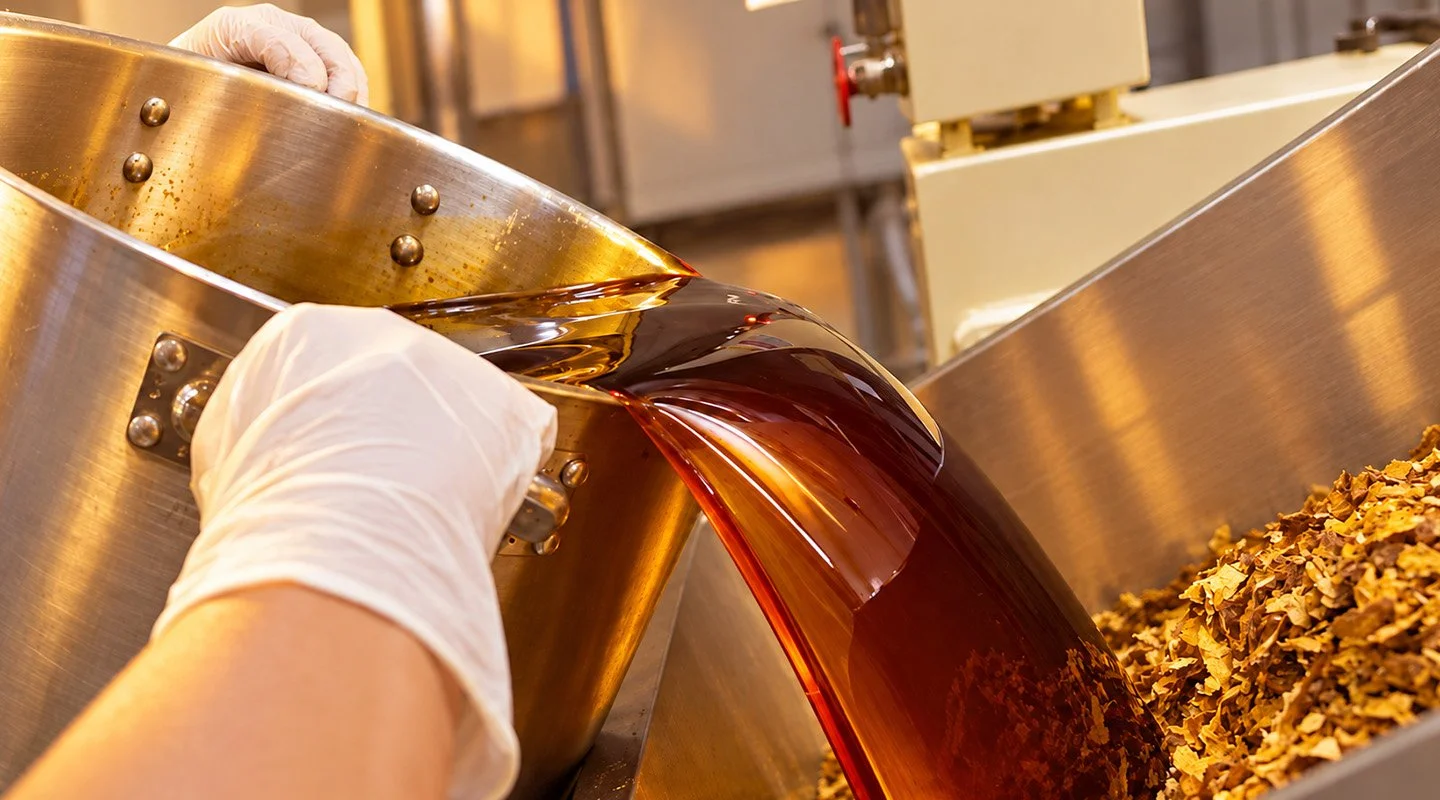
Shisha tobacco is a high-viscosity product made from tobacco fiber, molasses or sugar syrup, vegetable glycerin, and flavor compounds. Blending these ingredients evenly throughout a batch is the hard part of production. Great ingredients set the potential. Precise blending ensures every ingredient is mixed with precision, translating that potential into an even, consistent experience, with a balanced, full flavor coming through in every single puff.
For Al Fakher products, quality is built into every stage and detail: from meticulously selected high-quality tobacco leaves growing in regions like France and Germany, through traceability that follows material from origin to shelf, to batch testing for flavor and freshness both during production and after storage.
Curious about what goes on behind the scenes to maintain the high level of quality? Read on to discover the rigorous quality controls behind Al Fakher and how they help ensure every product lives up to the standards the brand is known for:
• Automated recipe management on the mixing line
• Traceability that ties each product back to its raw material
• In-line packaging verification
• Climate-controlled warehousing that protects the mix in transit and storage
For anyone buying Al Fakher flavors like Two Apples or Mint, the payoff is simple recognition: a familiar profile that behaves the same every time.
What happens during the mixing and recipe-control stage?
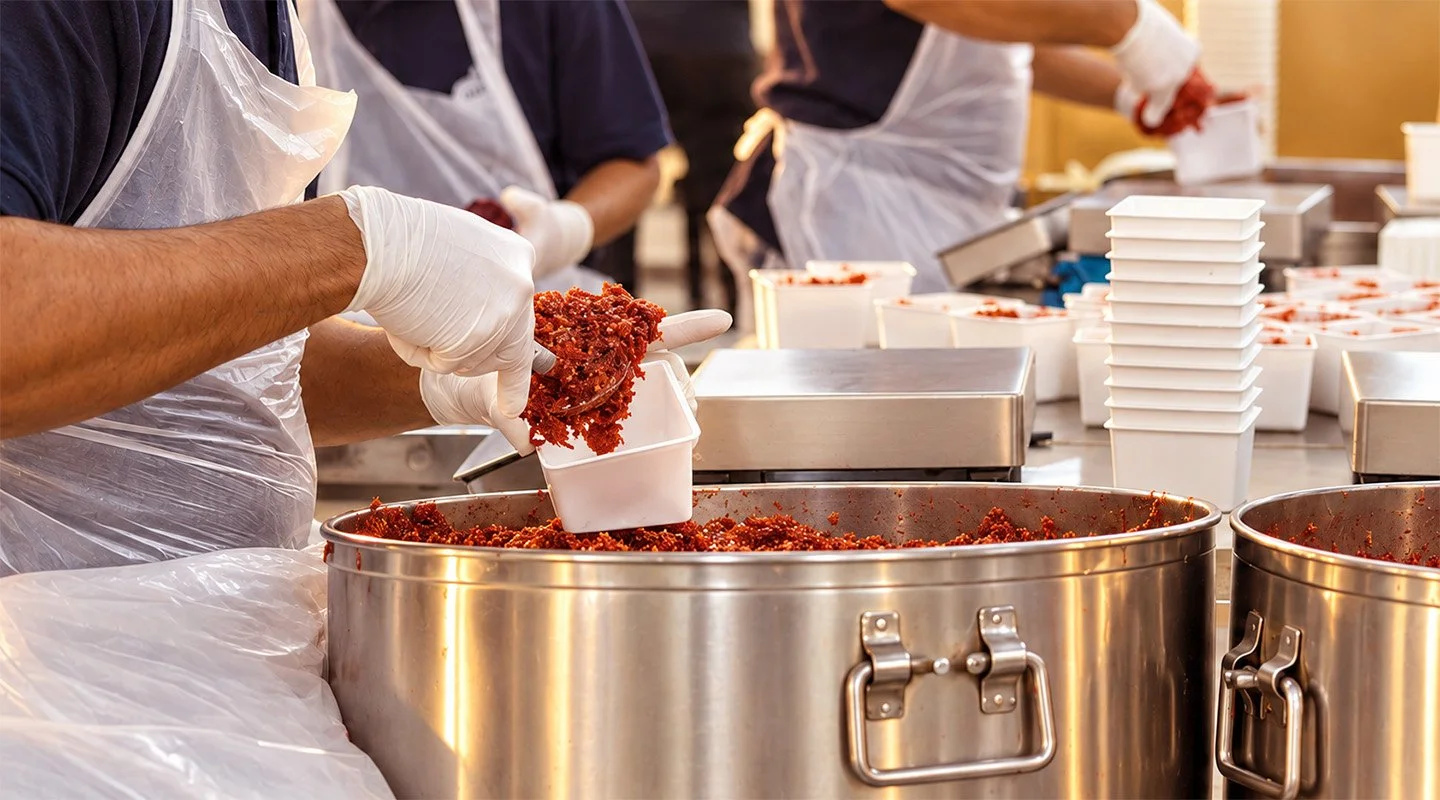
Mixing is where a recipe stops being a formula and becomes a product. At Al Fakher, tobacco fiber, molasses, glycerin, and flavor compounds are combined on the NICH mixing process line, a closed system that holds temperature, timing, and blending conditions steady for every batch that passes through it.
That control matters because shisha tobacco is not a simple stir-together blend. It is a high-viscosity paste, and thick pastes are hard to blend evenly: flavor and glycerin can pool in one part of a batch and run short in another. Purpose-built mixing exists to prevent exactly that.
Recipe settings are managed through SCADA-based automation, the supervisory control layer that runs the lines’ parameters. Ingredient quantities, dosing sequence, and mix cycles are entered as a controlled recipe rather than adjusted by hand, and each run is logged. If a batch needs to be traced later, the record of what went into it exists.
None of this is visible to the buyer. What it delivers is simple: a consistent product that delivers every time.
What ingredients and sourcing choices support the flavor profile?
Flavor starts with what goes into the blend and where it comes from. Each part has a job. The tobacco fiber carries the blend and gives it body; molasses or sugar syrup binds the mixture and holds moisture; vegetable glycerin keeps the paste pliable and helps release aroma under heat; the flavor compounds supply the character you actually taste, whether that is Two Apples, Mint, or Grape.
Sourcing sits upstream of all of it. Al Fakher selects premium tobacco grown globally, with an emphasis on selected grades from Europe and the Americas, including leaf from regions such as France and Germany, chosen by a network of tobacco experts who individually bring decades of experience in selection and blending. That matters to an everyday buyer for a practical reason: leaf grade, moisture, and sugar content all shift how a mix performs, so uniform inputs are the first condition for a repeatable product.
Layered on top is the brand's own history. Al Fakher draws on heritage molasses formulations developed since 1999, plus a larger library of formulations gathered from companies acquired across the US and Europe over the years, giving its research and development team more reference points when refining or updating a flavor.
Flavor identity begins at the farm, not the mixing line.
How does packaging and warehousing protect freshness?
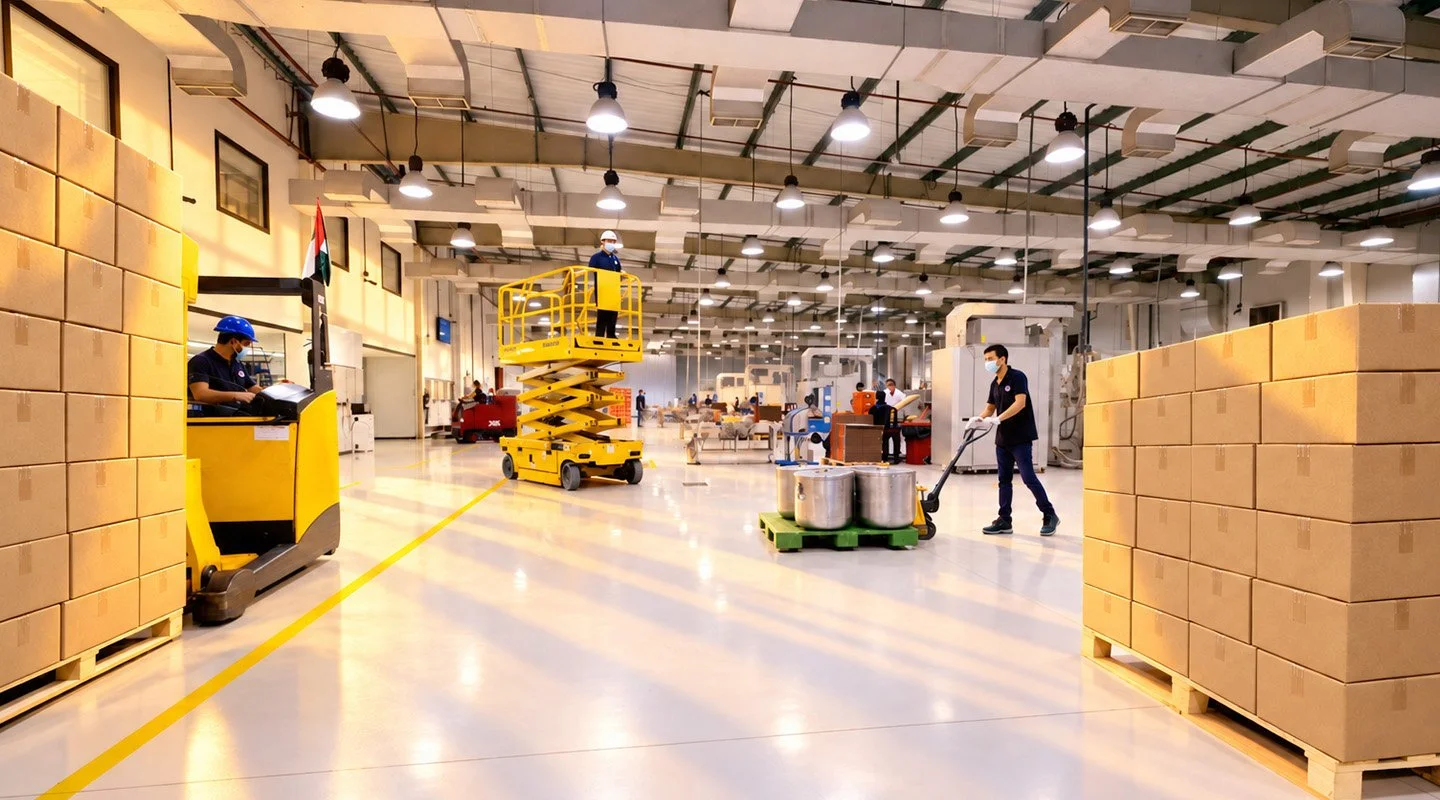
Packaging and storage are where a finished blend either holds its character or loses it. Al Fakher treats filling and sealing as the final check in production, not just a logistics handoff: automated lines pack the molasses under controlled conditions so each product leaves the factory in the same state, thanks to a tightly managed, continuously monitored setup.
Accuracy is verified as products move. In-line weight checks confirm that every unit falls within its target , so what a buyer opens matches what the label promises, whether the product was bought in Dubai, Berlin, or Chicago.
After sealing, product moves into climate-controlled warehousing. Temperature and humidity control slows moisture loss and protects the aromatic compounds that give layered fruits and cooling twists their lift, while a warehouse management system tracks stock with a reported 99.9% inventory accuracy. First-in, first-out rotation means the oldest stock ships first, so nothing sits forgotten on a rack.
What's made in the mixer is preserved in the product and on the shelf.
Why do testing and certifications matter to everyday buyers?
Testing and certifications matter because they're what make the product taste great every single time. Al Fakher's quality documentation says batches are tested for flavor and freshness both during production and after storage, so the checks continue past the point where the product leaves the line.
Before a new flavor even reaches that stage, it goes through Al Fakher's formulation science process. Molasses and its aerosol characteristics are measured using ISO-based methods, paired with sensory science techniques drawn from the food and beverage industry, moving flavor decisions away from opinion and toward data. Every formulation is then reviewed by an in-house toxicologist and regulatory specialist confirming it's safe for consumers and compliant with the rules in each market where it's sold.
Traceability does the quieter work. When every batch can be tracked from sourcing region through blending, packaging, and warehousing, a question about any product has a documented path behind it rather than a guess. For a buyer, that is the difference between a company that can explain a variation and one that cannot.
That is the practical takeaway for anyone comparing shisha brands: consistency is a byproduct of process discipline, not marketing copy. Ask any manufacturer what it tests, how often, and who reviews it: the brands worth trusting can answer without hedging.
What makes Al Fakher different from other hookah tobacco brands?
Most hookah tobacco brands compete on their flavor list: how many, how new, how unusual. Al Fakher competes on something harder to imitate: repeatability.
That comes from the production chain rather than the recipe alone. Automated recipe management under SCADA control fixes ingredient ratios batch after batch, in-line weight verification checks products as they are filled, and climate-controlled warehousing on first-in, first-out rotation limits how long stock sits before it reaches a shelf. Underpinning this is a formulation process built on tobacco expertise, a global network of flavor suppliers, and analytical sensory science, plus safety review by an in-house toxicologist before anything is shipped.
What should buyers look for when choosing a trusted shisha brand?
The most reliable shisha brands are the ones that can explain their own process: where the leaf comes from, how each batch is blended, how products are weighed and sealed, and how stock is stored before it reaches you. Reputation and flavor rankings are useful starting points, but documentation is what separates a repeatable product from a lucky batch.
Four checks worth making before you buy:
• Traceable sourcing: Can the brand name the growing regions and grades behind its blends, rather than just calling the leaf “premium”?
• Controlled blending: Is recipe management automated and logged, so the mix you buy in one country matches the one sold in another?
• Verified packaging: Are products weight-checked in line and sealed to protect moisture, or is fill weight left to chance?
• Proper storage: Does the brand describe climate control and stock rotation, and does your retailer keep products sealed and out of direct sun?
Al Fakher backs up all of these points: traceable sourcing from named growing regions, automated recipe control across its mixing line, in-line weight verification, warehouse systems the company reports at 99.9% inventory accuracy with first-in, first-out rotation, and formulation review by an in-house toxicologist and regulatory team before the product reaches market.
Compare the process, the labels, and the retailer handling, then choose the brand backed by documented production control.
Frequently Asked Questions
What is Al Fakher shisha tobacco made of?
Al Fakher shisha is a blend of tobacco fiber, molasses or sugar syrup, vegetable glycerin, and flavor compounds. The tobacco fiber gives the mix body, the molasses or syrup binds it and holds moisture, the glycerin keeps it pliable and helps release aroma when heated, and the flavor compounds defines the taste.
Where does Al Fakher source its tobacco?
Al Fakher sources premium tobacco grown globally, with an emphasis on specially grown grades from Europe and the Americas, including leaf from regions such as France and Germany. Selection is handled by a network of tobacco experts who bring decades of experience in choosing and blending leaf.
How does Al Fakher keep every batch consistent?
Consistency comes from process control rather than a single step. Recipe management runs through SCADA-based automation on the NICH mixing line, so ingredient quantities, dosing, and mix cycles are set as a controlled recipe and logged for every batch rather than adjusted by hand.
Is Al Fakher shisha tested for quality and safety?
Yes. New formulations go through ISO-based measurement of molasses and aerosol characteristics, combined with sensory science methods drawn from the food and beverage industry. Every formulation then goes through in-house review before it reaches a market, and batches are tested for flavor and freshness both during production and after storage.
How is Al Fakher shisha packaged and stored?
Packs are filled and sealed on automated lines under controlled conditions, with in-line weight checks confirming each unit falls within its target fill range. After sealing, product moves into climate-controlled warehousing that protects aroma and moisture, tracked by a warehouse management system with first-in, first-out stock rotation.
What makes Al Fakher different from other shisha brands?
Rather than competing mainly on flavor variety, Al Fakher's focus is repeatability: automated recipe control, in-line weight verification, climate-controlled warehousing, and in-house formulation review are all aimed at making sure a product bought in one country matches the same product bought in another.
DISCLAIMER
The content of this blog is for general informational purposes only and does not constitute professional, legal, medical, or financial advice. This blog is intended for individuals aged 21 and over. While the content is published to the best of our knowledge and belief, no guarantee is given for its accuracy or completeness; use of the information is at your own risk. The content may be updated or changed at any time without prior notice.